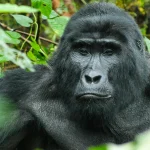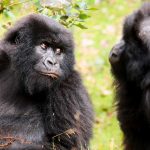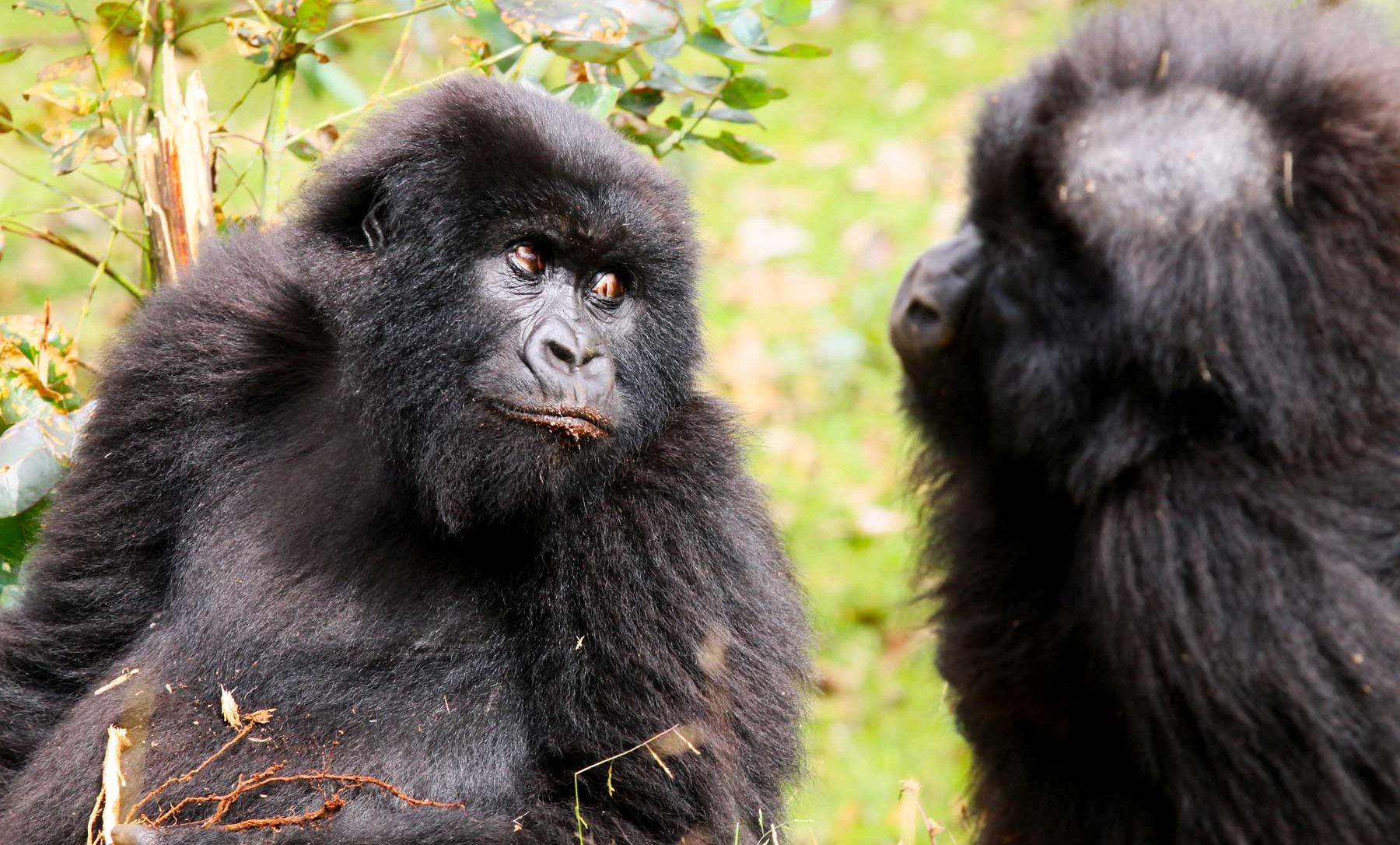
The gorilla permit is the biggest and most important expense when planning a gorilla trekking safari in Uganda. Every visitor must purchase a valid permit before trekking mountain gorillas in either Bwindi Impenetrable National Park or Mgahinga Gorilla National Park.
Currently, Uganda gorilla trekking permits cost:
The permit allows visitors to spend one hour with a habituated gorilla family after successfully locating them in the forest. Additionally, the permit fee supports gorilla conservation, park management, ranger operations, and local community development.
Uganda also offers the famous gorilla habituation experience, which costs USD 1,800 per person. Unlike standard trekking, habituation allows visitors to spend up to four hours with mountain gorillas alongside researchers and trackers. Therefore, this experience attracts photographers, wildlife enthusiasts, and travelers seeking deeper gorilla encounters.
Because gorilla permits sell out quickly during peak seasons, travelers should book several months in advance. This is especially important for the dry months between June and September as well as December to February.
Accommodation prices around Uganda’s gorilla parks vary depending on comfort level, location, and safari style. Fortunately, Uganda offers options for budget, mid-range, and luxury travelers.
Budget lodges and camps usually cost between USD 60 and USD 120 per person per night. These accommodations provide basic but comfortable services suitable for backpackers and budget safari travelers.
Mid-range lodges, meanwhile, generally cost between USD 150 and USD 300 per person per night. Many of these lodges offer excellent forest views, comfortable rooms, hot showers, and quality dining experiences.
Luxury gorilla lodges, on the other hand, can cost between USD 500 and over USD 1,500 per person per night. These premium lodges often include private cottages, fine dining, spa services, and personalized safari experiences. Consequently, luxury travelers enjoy higher comfort levels while staying close to the trekking sectors.
Accommodation prices may also vary depending on the trekking sector. Buhoma and Rushaga sectors, for example, offer the widest range of lodges because they receive many tourists throughout the year.
Transport is another major factor affecting the total cost of gorilla trekking in Uganda. Travelers can either use road transport or domestic flights depending on their budget and preferred comfort level.
Road transfers from Entebbe International Airport or Kampala to Bwindi usually take between 8 and 10 hours. Many tour companies use 4×4 safari vehicles because the roads near the parks can become rough, especially during rainy seasons.
Budget group tours often reduce transport costs because travelers share vehicle expenses. Meanwhile, private safaris cost more but provide greater flexibility and comfort.
Domestic flights offer a faster but more expensive alternative. Scheduled flights from Entebbe to Kisoro or Kihihi airstrips usually cost between USD 495 and USD 500 for a return ticket. Although flights increase safari costs, they significantly reduce travel time and road fatigue.
Interestingly, many tourists now fly into Kigali in Rwanda before crossing into Uganda through Cyanika or Katuna border posts. This route reduces driving time considerably and often lowers overall transport expenses.
Besides permits, accommodation, and transport, travelers should also prepare for additional safari expenses.
Porter fees, for example, usually cost between USD 15 and USD 20. Although hiring a porter is optional, many trekkers highly recommend it. Porters help carry bags, provide support on steep trails, and create local employment opportunities for nearby communities.
Tips for guides and lodge staff are also common during gorilla safaris. While tipping remains voluntary, many travelers usually budget between USD 10 and USD 20 for guides depending on service quality.
Additionally, travelers may spend extra money on:
Therefore, visitors should always plan a flexible safari budget to avoid unexpected expenses.
The total cost of gorilla trekking in Uganda largely depends on the type of safari chosen. Budget gorilla safaris usually cost between USD 1,200 and USD 1,800 per person for a 3-day trip. These safaris typically include shared transport, budget accommodation, permits, and guide services.
Mid-range gorilla trekking safaris generally range between USD 1,800 and USD 3,000 per person depending on lodge quality and group size. These packages often provide better comfort, private transport, and upgraded accommodations.
Luxury gorilla trekking safaris, meanwhile, may cost between USD 3,500 and over USD 6,000 per person. These experiences often include luxury lodges, fly-in safaris, premium service, and personalized itineraries.
Consequently, Uganda offers gorilla trekking opportunities for nearly every travel budget.
Many travelers compare Uganda gorilla trekking with Rwanda because both countries protect mountain gorillas. However, Uganda remains considerably more affordable.
Rwanda currently charges approximately USD 1,500 for a standard gorilla permit, while Uganda charges USD 800. Therefore, travelers can save hundreds of dollars simply by choosing Uganda.
Additionally, Uganda offers more accommodation choices across different price ranges. As a result, travelers enjoy greater flexibility when planning affordable gorilla safaris.
Uganda also provides more opportunities to combine gorilla trekking with wildlife safaris in destinations such as Queen Elizabeth National Park and Kibale National Park. Consequently, Uganda often delivers better overall safari value for money.
Travelers can reduce gorilla trekking costs in several ways without affecting the experience quality.
First, joining group safaris helps lower transport and guide costs. Secondly, booking safaris during low seasons may provide discounted lodge rates and better availability. Additionally, travelers can choose mid-range accommodations instead of luxury lodges while still enjoying comfortable stays.
Flying into Kigali instead of Entebbe can also reduce transport time and fuel costs for travelers trekking in southern Bwindi sectors such as Rushaga and Nkuringo.
Most importantly, booking permits early helps travelers secure preferred trekking dates before permits sell out.