Bwindi Impenetrable National Park, also known as Bwindi Forest, stands as one of Africa’s most extraordinary natural treasures. Moreover, this ancient rainforest captivates visitors with its dense vegetation, steep valleys, and mysterious trails that seem untouched by time. Not only is Bwindi a sanctuary for the critically endangered mountain gorillas, but it also hosts a remarkable diversity of wildlife, from playful chimpanzees to exotic birds and elusive forest elephants. Consequently, every step within this forest offers discovery, adventure, and a deeper connection to nature.
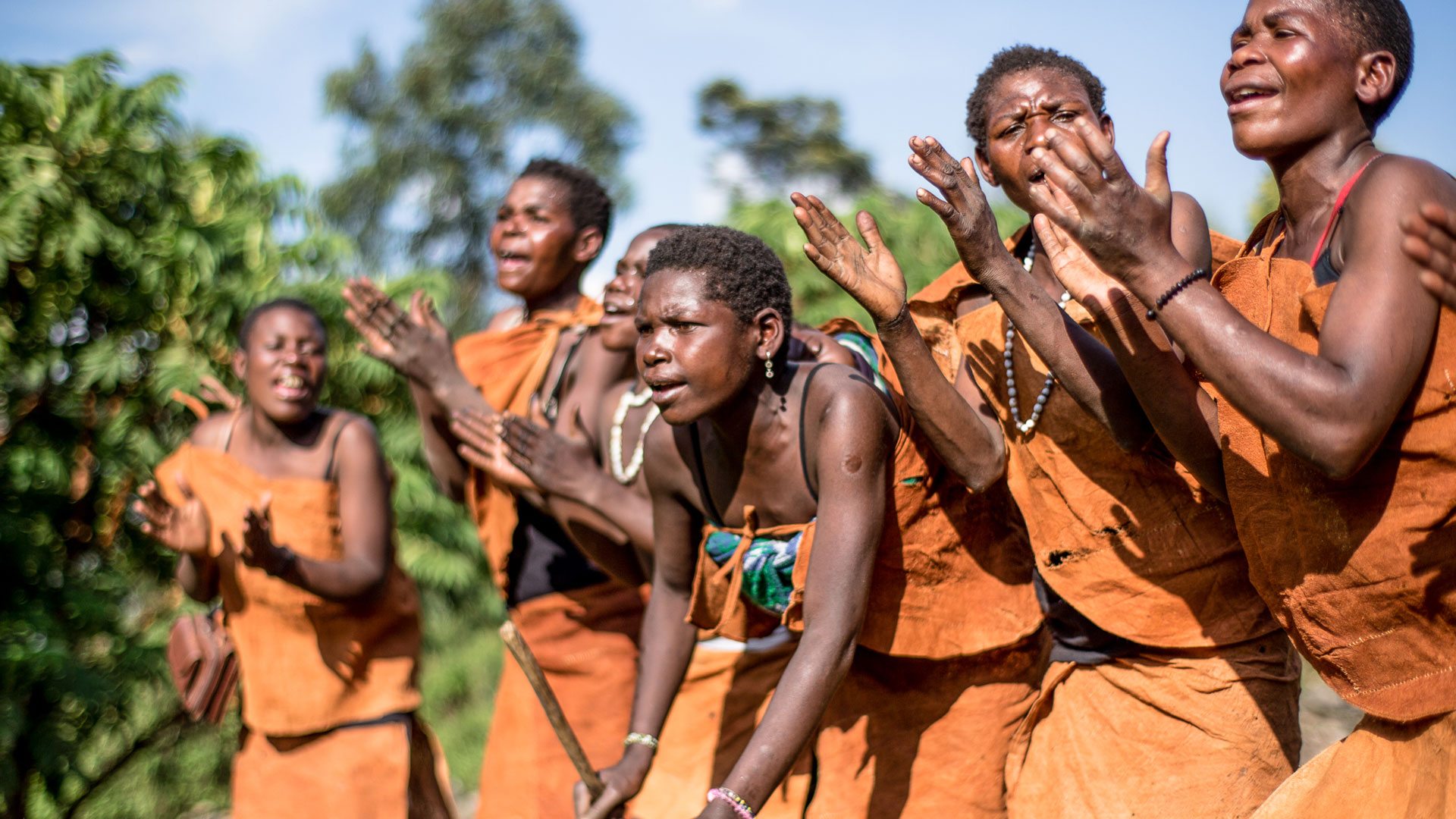
Furthermore, the park’s cultural richness enhances its allure. The Batwa people, one of Uganda’s oldest indigenous communities, reside near Bwindi and share centuries-old traditions, crafts, and forest knowledge with curious travelers. In addition, carefully managed gorilla trekking experiences provide once-in-a-lifetime encounters with gentle silverbacks, creating memories that last forever. Beyond gorilla tracking, visitors can explore scenic trails, enjoy birdwatching, participate in community visits, and capture unparalleled photographic moments. Therefore, Bwindi Impenetrable National Park is not just a forest—it is a living, breathing world of adventure, conservation, and natural wonder, waiting to get explored by anyone with a love for wildlife and authentic African experiences.
Bwindi Impenetrable, or Bwindi Gorilla Forest, covers approximately 331 square kilometers. This UNESCO World Heritage Site is located in southwestern Uganda, along the Albertine Rift. Its misty valleys, steep hills, and thick vegetation create an environment perfect for mountain gorillas and other wildlife. Furthermore, the park’s ecosystem supports over 350 bird species, countless primates, and rare plant species. Researchers and conservationists continue to study Bwindi because it holds one of the last remaining habitats for critically endangered species.
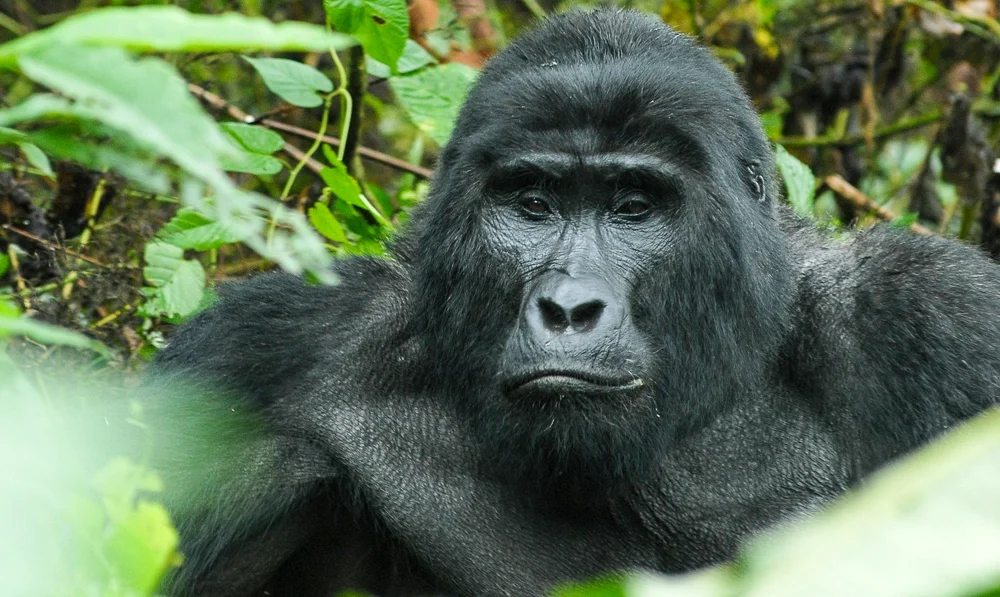
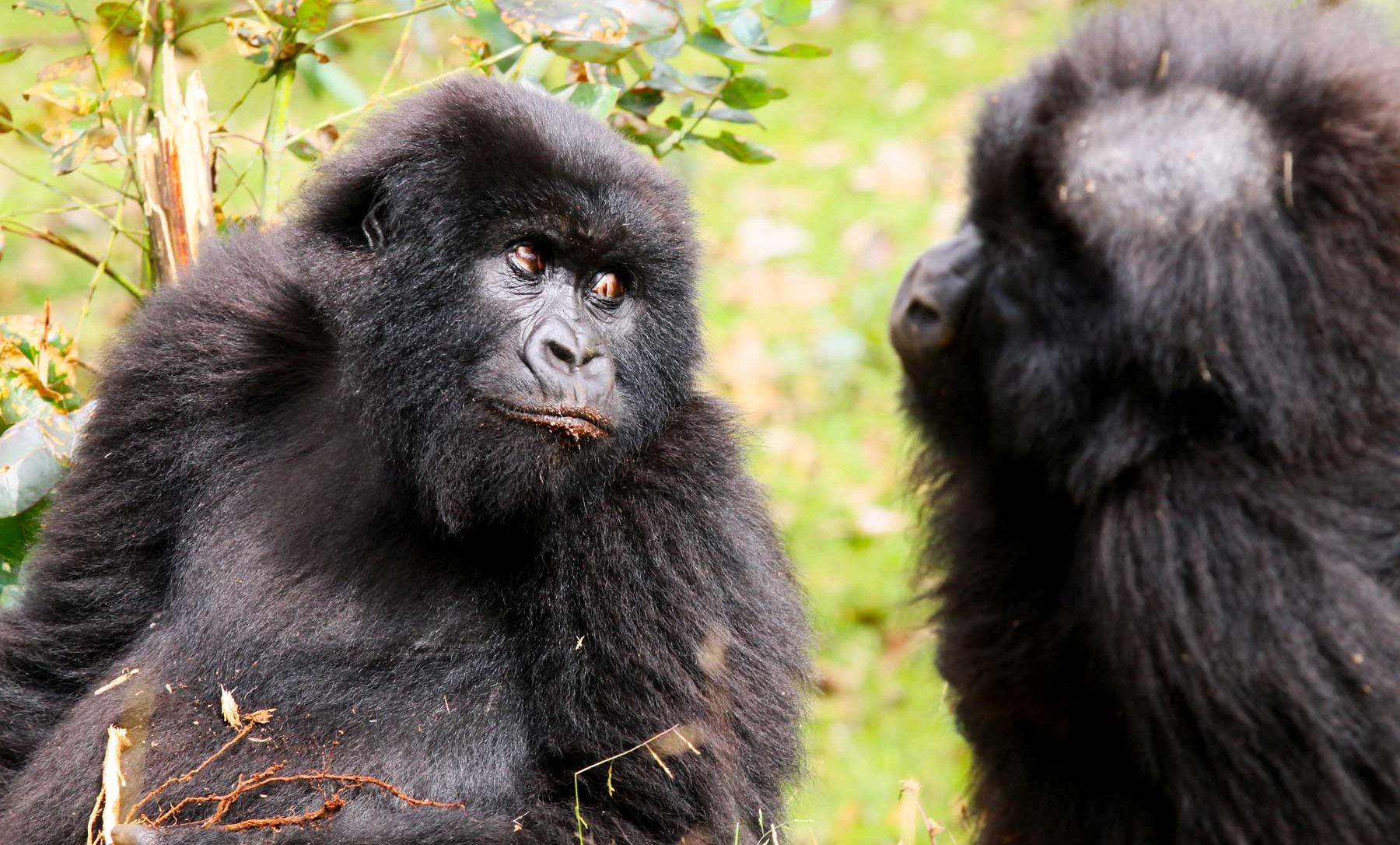
Bwindi is most famous for its mountain gorillas. These primates belong to one of the world’s most endangered species. Experts estimate approximately 1,000 mountain gorillas survive globally, and nearly half of them live in Bwindi. Visitors learn that gorilla families, called groups or troops, vary in size from 10 to over 30 individuals. Each group includes a dominant silverback, several females, juveniles, and infants. Moreover, park authorities track each family carefully, ensuring safety and conservation during trekking experiences.
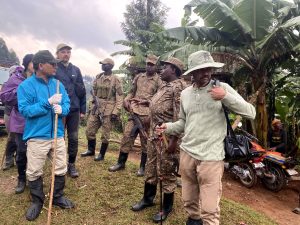
Gorilla trekking in Bwindi is a carefully managed activity. Uganda Wildlife Authority (UWA) coordinates all treks to protect gorillas and visitors. Trekkers must obtain permits in advance, and guides lead them through the dense forest along designated trails. Treks usually last between two and six hours, depending on gorilla locations. Guides instruct visitors to maintain a safe distance, minimize noise, and avoid touching the gorillas. In addition, each trekking group has only eight people to reduce human impact on the gorillas’ natural behavior. gorillas survive globally, and nearly half of them live in Bwindi. Visitors learn that gorilla families, called groups or troops, vary in size from 10 to over 30 individuals. Each group includes a dominant silverback, several females, juveniles, and infants. Moreover, park authorities track each family carefully, ensuring safety and conservation during trekking experiences.
Bwindi Impenetrable National Park, also called Bwindi Gorilla Forest, is divided into four main trekking sectors. Each sector offers unique landscapes, trails, and gorilla families. Therefore, choosing the right sector is crucial for a memorable gorilla trekking adventure.
Buhoma lies in the northern corner of Bwindi Forest. Consequently, it is the most accessible sector from Kampala and Entebbe. Visitors find moderate trails through dense rainforest, bamboo thickets, and gentle streams. Furthermore, Buhoma hosts famous gorilla families, including the Habinyanja and Mubare groups. As a result, this sector is ideal for first-time trekkers or families seeking an easier adventure.
Ruhija sits in the northeastern corner, at higher altitudes. Therefore, treks here are more challenging but extremely rewarding. Hikers navigate steep hills, misty valleys, and bamboo forests while enjoying breathtaking views. Ruhija is home to gorilla families such as the Oruzogo and Kyaguriro groups. Moreover, birdwatchers find this sector ideal because of its rare species. Consequently, Ruhija suits adventurous travelers who want both gorilla encounters and scenic forest experiences.
Nkuringo occupies the southern part of the park near the Rwandan border. Because of its remote location, fewer tourists visit, allowing intimate gorilla experiences. Trails here are moderate to strenuous and cross hilly terrain, valleys, and rivers. Nkuringo is home to the Nkuringo and Mishaya gorilla families. Moreover, local community programs here enhance conservation efforts and cultural exchange. Therefore, Nkuringo is perfect for travelers seeking seclusion and immersive nature encounters.
Rushaga lies in the southwestern corner, featuring rolling hills, bamboo forests, and valley views. Treks are moderate to strenuous, but visitors experience large gorilla families like Bweza and Habinyanja. Furthermore, this sector allows longer treks through pristine forest areas. Lodges and camps blend with nature, offering comfort without disturbing wildlife. Consequently, Rushaga attracts photographers and adventurers eager to capture extraordinary wildlife moments.
Although gorillas dominate the spotlight, Bwindi houses diverse wildlife. Visitors may spot chimpanzees, baboons, monkeys, and forest elephants. The park hosts rare species like the African golden cat and the bushbuck. Birdwatchers can enjoy over 350 species, including the African green broadbill and the Ross’s turaco. Furthermore, botanists marvel at giant ferns, orchids, and mahogany trees that define the park’s canopy.
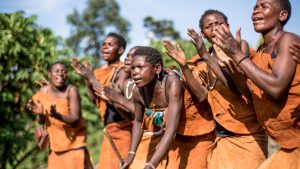
Beyond gorilla trekking, Bwindi offers numerous activities:
These activities complement gorilla trekking, creating a full wilderness experience.
Conservation and Community Engagement
Bwindi Impenetrable National Park combines conservation with local community development. Revenue from trekking permits supports anti-poaching initiatives and health programs for nearby communities. Park authorities collaborate with locals to promote sustainable tourism, ensuring that tourism benefits both wildlife and people. Visitors learn that respecting these rules preserves the gorillas’ habitat and maintains the forest’s biodiversity.
Conclusion
Bwindi Impenetrable National Park is more than a forest; it is a sanctuary for mountain gorillas and a haven for wildlife lovers. With guided treks, breathtaking scenery, and community interaction, Bwindi guarantees unforgettable experiences. Anyone visiting Uganda must explore this forest, witness the gentle giants, and immerse themselves in nature’s raw beauty.