Mgahinga Gorilla National Park stands as one of Uganda’s most extraordinary conservation treasures. Nestled within the dramatic Virunga Volcanoes, this compact yet powerful sanctuary protects endangered mountain gorillas. More so, it has rare golden monkeys, and ancient montane forests. Moreover, it delivers some of the most intimate primate encounters in Africa. Unlike crowded destinations, Mgahinga offers a quieter and more exclusive safari experience. As a result, visitors enjoy deeper connections with nature and wildlife.
This remarkable park lies in southwestern Uganda, near the borders of Rwanda and the Democratic Republic of Congo. Consequently, it forms part of the greater Virunga Conservation Area. This transboundary ecosystem plays a vital role in protecting some of the world’s last remaining mountain gorillas.
Mgahinga Gorilla National Park combines breathtaking scenery, rich biodiversity, and living culture. Mist-covered volcanoes rise above bamboo forests. Meanwhile, crystal-clear streams flow through deep valleys. Everywhere you look, life thrives. Because of its unique location and ecological importance, Mgahinga ranks among the top gorilla trekking destinations in Uganda. However, the park offers far more than gorilla tracking alone. Golden monkey trekking, volcano hiking, bird watching, and Batwa cultural encounters enrich every visit.
Whether you seek adventure, wildlife photography, or meaningful cultural experiences, Mgahinga Gorilla National Park delivers beyond expectations. Most importantly, every journey here supports conservation and local communities. For travelers searching for authentic Uganda safaris, pristine gorilla habitats, and unforgettable primate encounters, Mgahinga Gorilla National Park remains an exceptional choice.
Mgahinga Gorilla National Park lies in southwestern Uganda, within Kisoro District. Notably, it sits along Uganda’s borders with Rwanda and the Democratic Republic of Congo. As a result, the park forms part of the famous Virunga Volcanoes chain.
Three extinct volcanoes dominate the park’s landscape. These include Mount Muhabura, Mount Gahinga, and Mount Sabyinyo. Consequently, the park features steep slopes, deep valleys, and dramatic ridgelines. Altitude ranges from about 2,227 meters to 4,127 meters above sea level. Therefore, the park supports diverse vegetation zones. These include montane forest, bamboo forest, and afro-alpine moorland.
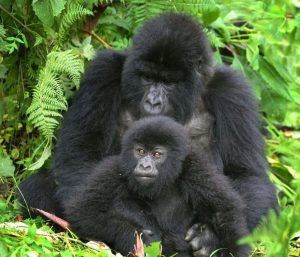
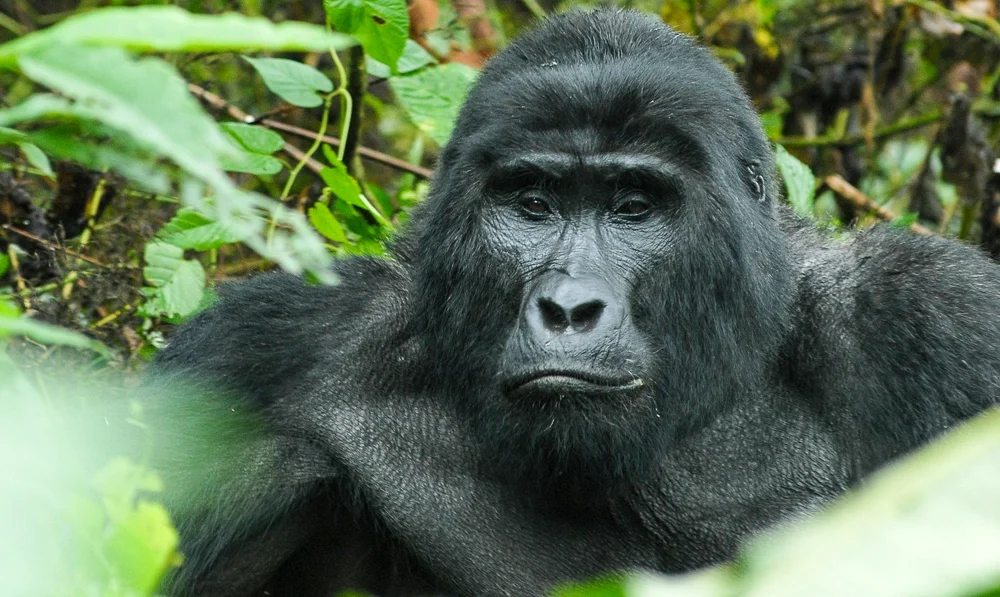
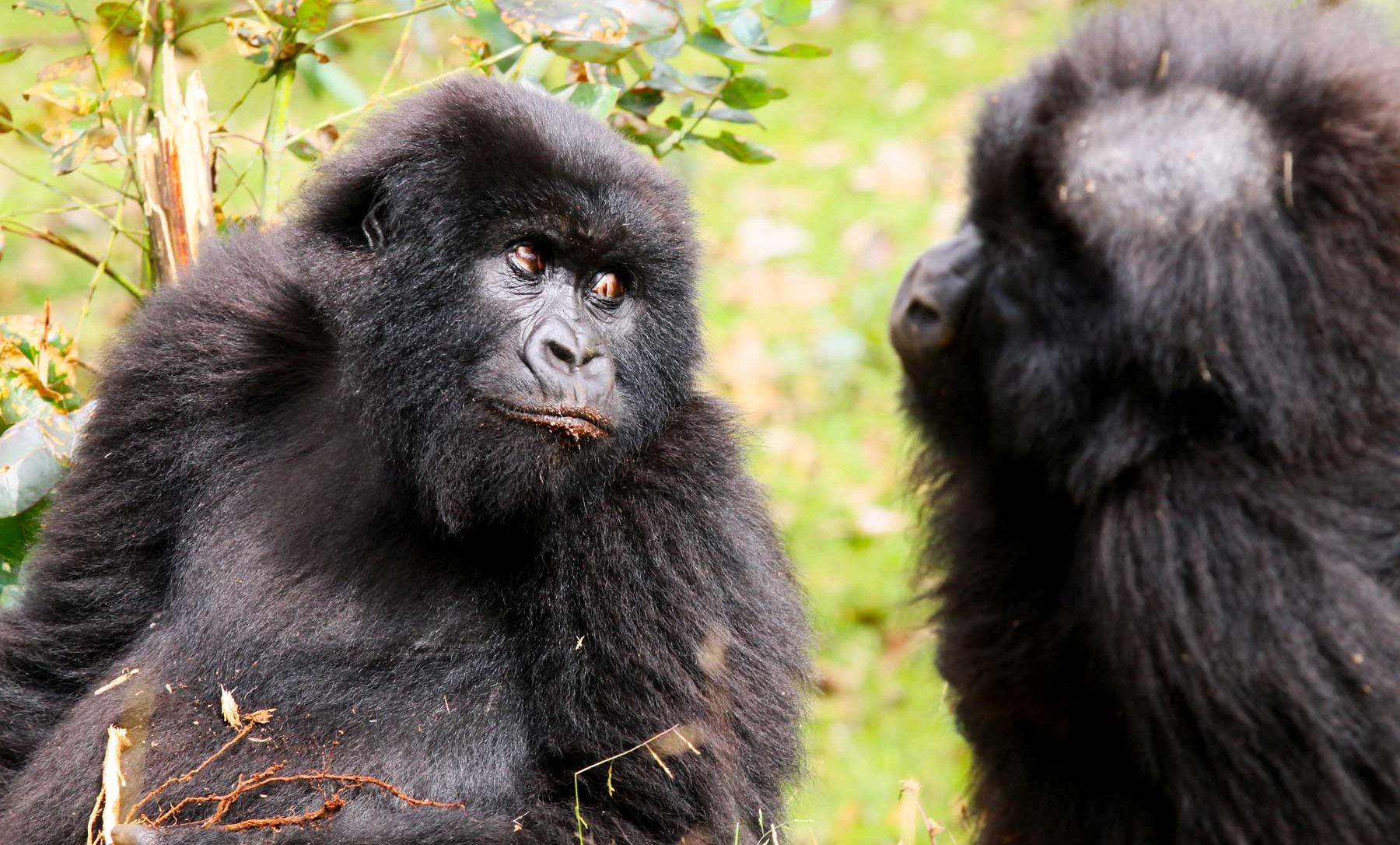
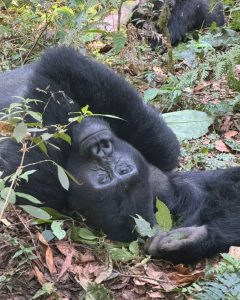
Mountain gorillas form the living soul of Mgahinga Gorilla National Park. Without them, the park would lose its deepest meaning. Therefore, conservation efforts focus strongly on protecting these great apes and their fragile habitat. Unlike other primates, mountain gorillas thrive in cool, high-altitude forests. Consequently, they developed thick, long hair that shields them from mist, rain, and cold temperatures. Moreover, their large bodies and powerful arms allow them to move easily through dense vegetation.
Mountain gorillas live in stable family groups. Each group revolves around one or more dominant silverbacks. These silverbacks protect the group, make movement decisions, and resolve conflicts. Meanwhile, adult females nurture young ones and maintain strong social bonds.
Because of decades of conservation work, Mgahinga’s gorillas now live under close monitoring. Rangers track them daily. As a result, researchers understand their movements, feeding habits, and health conditions. Even more importantly, gorilla tourism directly supports conservation. Permit fees fund ranger salaries, veterinary care, and community projects. Therefore, every trekker becomes part of the gorillas’ survival story.
Mgahinga Gorilla National Park offers several established trekking routes. Most trails begin near Ntebeko Visitor Centre. From here, trekkers enter thick montane forest and bamboo zones. Some trails follow gentle slopes. Others climb steep volcanic terrain. Therefore, trekking difficulty varies from moderate to challenging. However, guides always choose the most suitable route based on gorilla location and group fitness.
Because gorillas move freely, trekking areas change daily. Rangers and trackers leave early each morning to locate the family. Later, they communicate its position to guides. Consequently, trekkers follow fresh paths into the forest. Throughout the walk, guides explain forest ecology. They also identify medicinal plants, bird calls, and animal tracks. Thus, the trek becomes both an adventure and an educational experience.
Although hikes may last from one to several hours, the reward remains extraordinary. Face-to-face time with mountain gorillas lasts one unforgettable hour.
Gorilla trekking in Mgahinga operates all year. However, certain months provide easier hiking conditions. The dry seasons run from June to August and December to February. During these periods, trails remain less muddy. Moreover, rainfall decreases. Therefore, trekking becomes more comfortable.
Meanwhile, the wet seasons occur from March to May and September to November. Although rain increases, vegetation becomes lush and green. Additionally, visitor numbers drop. As a result, travelers enjoy quieter experiences. Because gorillas stay in the forest year-round, sightings remain reliable in every season. Therefore, the best time depends on personal preference.
Besides mountain gorillas, Mgahinga shelters a wide range of wildlife species.
Golden monkeys represent another major primate attraction. These endangered monkeys live mainly in bamboo forests.
Forest elephants also roam the park. Although rarely seen, their presence shapes vegetation patterns.
Other mammals include bushbucks, buffaloes, giant forest hogs, and duikers. Smaller mammals such as squirrels and rodents thrive as well.
Birdlife remains exceptional. Over 180 bird species inhabit the park. These include Rwenzori turaco, dusky crimsonwing, and Kivu ground thrush.
Reptiles, amphibians, and countless insects also form part of the ecosystem. Therefore, Mgahinga supports complete and balanced biodiversity.
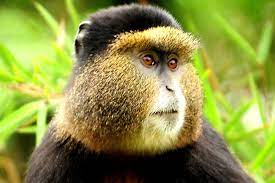
Golden monkey trekking offers an exciting alternative to gorilla trekking. Visitors track habituated golden monkey groups in bamboo forests. Rangers lead the walk. Trackers help locate the monkeys.
Once found, visitors observe them feeding, jumping, and grooming. Their playful behavior creates excellent photographic opportunities. Because golden monkeys move quickly, this experience feels energetic and dynamic. Moreover, golden monkey trekking requires less physical effort than gorilla trekking. Therefore, it suits visitors of different fitness levels.
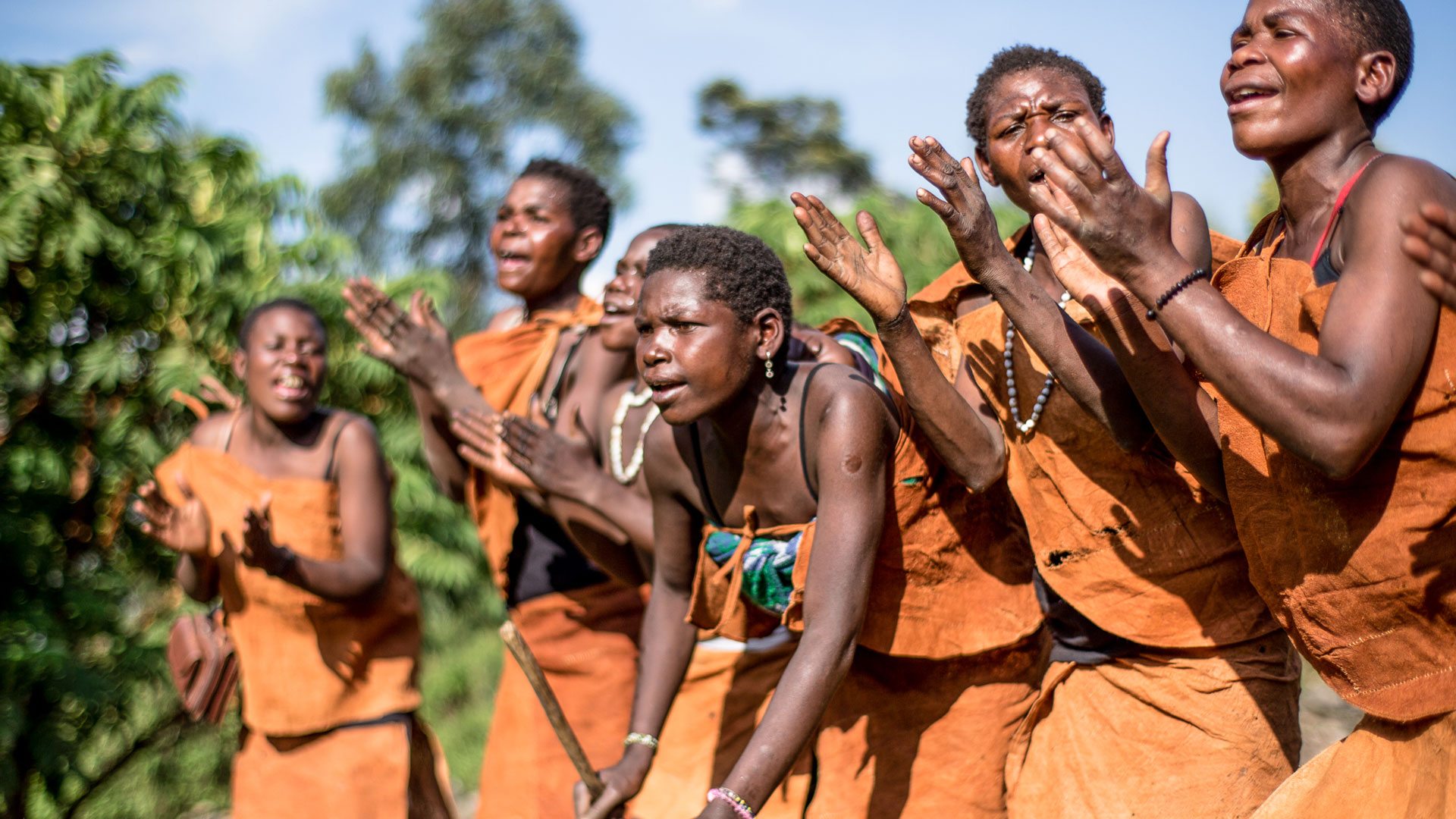
The Batwa people once lived inside Mgahinga’s forests as hunter-gatherers. Today, visitors can join guided Batwa cultural trails. These walks showcase traditional forest life. More so, batwa guides demonstrate hunting techniques, fire-making, and herbal medicine use. They also share songs, dances, and storytelling.
Furthermore, these experiences generate income for Batwa communities. As a result, cultural tourism supports both heritage preservation and livelihoods. This encounter adds deep human meaning to a wildlife safari.