
Kibale National Park rises as Uganda’s most celebrated rainforest and the true primate capital of East Africa. From the moment travelers arrive, the forest reveals endless life, rhythmic sounds, and extraordinary encounters. Moreover, this remarkable sanctuary protects Africa’s highest diversity of primates. Consequently, nature lovers, researchers, and adventure seekers consistently choose Kibale National Park for authentic wildlife experiences.
Beyond its dense canopy, the park showcases thriving ecosystems and outstanding conservation success. Additionally, the National Park delivers world-class chimpanzee trekking, scenic forest walks, and rich birdlife. Therefore, every visit transforms into a journey of discovery. Furthermore, its strategic location near other western Uganda attractions makes travel seamless. As a result, visitors explore multiple destinations with ease.
Above all, Kibale National Park blends adventure, education, and sustainability. Meanwhile, local communities benefit directly from tourism. Likewise, conservation efforts continue to strengthen habitats. Consequently, each safari supports long-term protection. Ultimately, this National Park stands as a must-visit destination for anyone seeking unforgettable Uganda safaris and meaningful primate encounters.
Kibale National Park lies in western Uganda near the foothills of the Rwenzori Mountains. Additionally, the park stretches across Kabarole and Kamwenge districts. Consequently, it forms an important ecological corridor between Queen Elizabeth National Park and other protected areas.
Originally, the forest served as a logged reserve. However, Uganda gazetted it as a national park in 1993. Since then, conservation efforts have restored habitats and protected wildlife. Therefore, Kibale National Park now supports one of the highest primate densities in Africa. Furthermore, its varied landscapes include tropical rainforest, grasslands, swamps, and woodland.
The National Park shelters extraordinary biodiversity. Notably, the park protects over 70 mammal species and more than 375 bird species. In addition, reptiles, amphibians, and countless insects thrive here.
Because of this richness, wildlife viewing remains rewarding throughout the year. Moreover, forest elephants, and giant forest hogs roam freely. Likewise, sitatunga antelopes inhabit swampy areas. Consequently, every forest walk reveals something new.
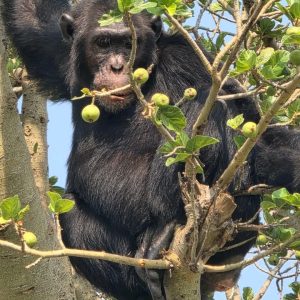
Chimpanzees dominate the identity of Kibale National Park. Impressively, the park hosts over 1,500 chimpanzees. Therefore, it ranks as the best place in Uganda for chimpanzee encounters.
These intelligent primates live in complex social groups. Additionally, visitors observe feeding, grooming, and playful behavior. Because chimpanzees share over 98% of human DNA, encounters feel deeply personal. As a result, many travelers describe trekking here as life-changing.
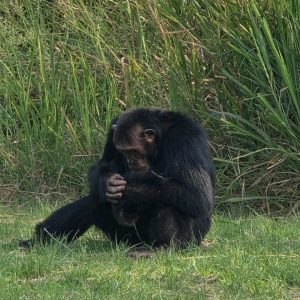
Chimpanzee trekking operates daily in well-organized sessions. Usually, experienced guides lead small groups into the forest. Before trekking, rangers conduct detailed briefings. Consequently, visitors understand rules and safety guidelines.
Trekking times vary. However, most groups locate chimpanzees within two to four hours. Once trackers find a community, visitors spend one hour observing them. Therefore, photography and quiet observation become possible. Alternatively, visitors may choose chimpanzee habituation experiences. During this activity, guests spend extended hours with researchers. Hence, they learn about behavior, feeding patterns, and conservation work.
Besides chimpanzees, this National Park supports 12 other primate species. For example, red colobus monkeys, L’Hoest’s monkeys, and black-and-white colobus thrive here. Likewise, blue monkeys and olive baboons roam widely.
Because of this diversity, the park attracts primate researchers from around the world. Furthermore, visitors enjoy frequent sightings during guided walks. Consequently, Kibale earns the title “Primate Capital of the World.”
Kibale National Park also delights bird lovers. The park records over 375 bird species. Notably, green-breasted pitta, African grey parrot, and great blue turaco appear here. Meanwhile, nocturnal creatures like bush babies and pottos emerge after dark. Additionally, butterflies and insects add vibrant color. Therefore, biodiversity lovers find endless fascination.
This Park welcomes visitors year-round. However, dry seasons offer easier trekking conditions. Typically, June to September and December to February provide the best weather.
During these months, trails remain less muddy. Moreover, chimpanzee sightings remain excellent. Nevertheless, rainy seasons bring lush scenery and fewer crowds. Consequently, photographers often prefer these periods.
The Park emphasizes sustainable tourism. Revenue supports conservation and local communities. Additionally, education programs promote coexistence. Therefore, every visit contributes to long-term protection.
Why Visit Kibale National Park
This National Park combines rich biodiversity, unforgettable primate encounters, and immersive forest experiences. Moreover, the park offers easy access and professional guiding. As a result, travelers seeking authentic Uganda safaris choose this destination.